
Edible Salts Other Than Sodium Chloride
When most people think of edible salt, sodium chloride — the familiar white table salt — immediately comes to mind. But nature offers a variety of salts, each with its own mineral profile, flavor, and health benefits. From gourmet cooking to specialized dietary needs, these alternatives are carving their space in kitchens, restaurants, and health-conscious homes.
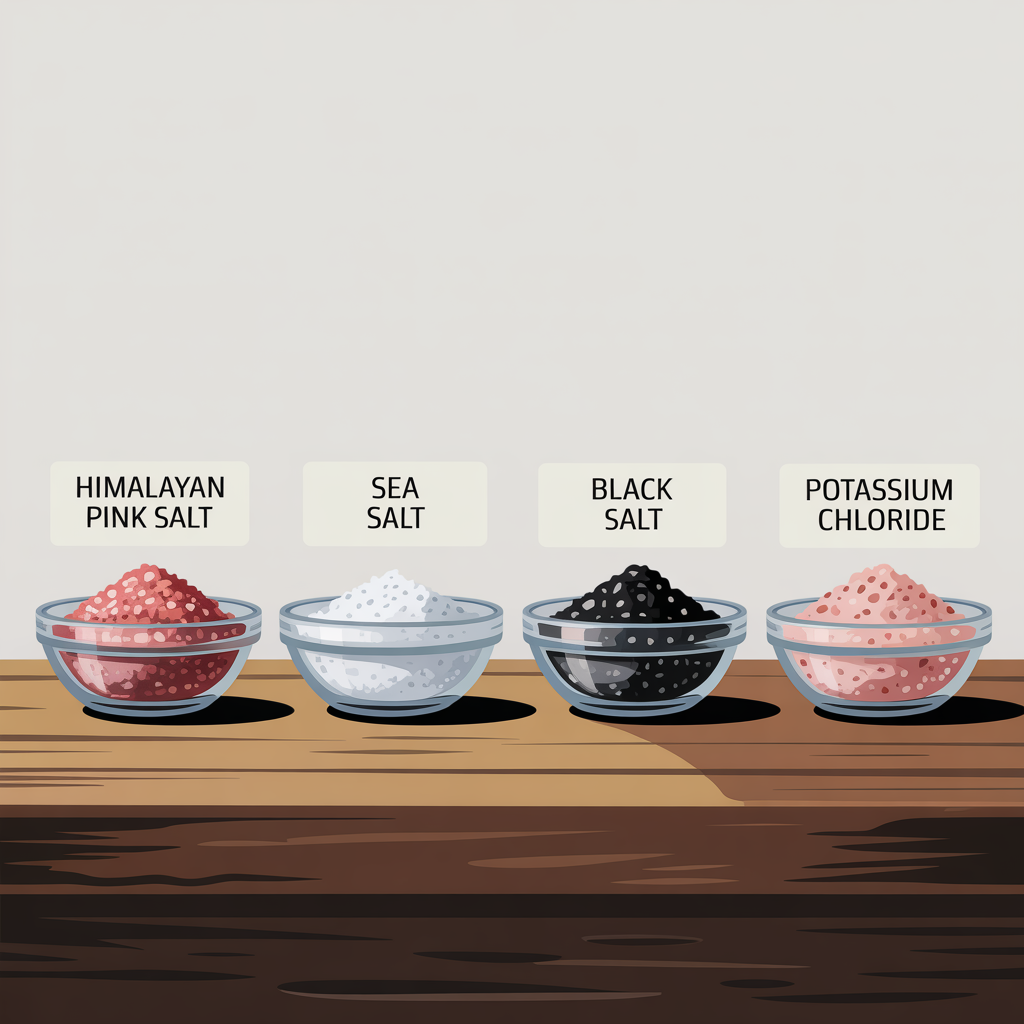
Himalayan Pink Salt
Sourced from the ancient Khewra salt mines in Pakistan, Himalayan pink salt is rich in trace minerals like calcium, magnesium, and potassium. Its rosy hue comes from natural iron oxide.
Best uses: Finishing dishes, seasoning grilled meats, and adding visual appeal to gourmet presentations.
Sea Salt
Harvested from evaporated seawater, sea salt retains minerals such as magnesium, calcium, and potassium that are lost during table salt processing. It’s available in coarse, flake, or fine textures.
Best uses: Baking, sprinkling over salads, and enhancing seafood dishes.
Potassium Chloride Salt
Often used in low-sodium diets, potassium chloride can substitute part or all of regular salt. While it mimics the salty taste, it may have a slightly bitter aftertaste for some palates.
Best uses: Dietary salt substitute for individuals managing high blood pressure.
Related reading: Food Grade vs Industrial Grade Salts: What’s the Difference — learn why purity matters when choosing edible salts.
Black Salt (Kala Namak)
A staple in South Asian cooking, black salt has a distinctive sulfurous aroma and flavor, making it popular in chaat masala and vegan “egg” dishes. It’s also used in Ayurveda for aiding digestion.
Celtic Sea Salt
Harvested from coastal regions of France, Celtic Sea salt is moist, mineral-rich, and has a slightly briny taste.
Best uses: Finishing salt for meats, vegetables, and artisanal breads.
Red Hawaiian Salt (Alaea Salt)
This vibrant salt gets its color from volcanic clay, which adds iron oxide and other minerals.
Best uses: Traditional Hawaiian dishes like poke and kalua pork.
Why Consider Alternatives to Sodium Chloride?
While sodium chloride remains the most widely consumed edible salt, alternatives can:
- Enhance flavor complexity
- Offer unique mineral compositions
- Support specific dietary requirements
If you’re sourcing bulk edible salts for culinary or health applications, ensure they meet food-grade certification standards — similar to those outlined on our Food Grade Sodium Chloride page.
FAQs - Frequently Asked Questions
Q1. Which edible salt is best for health?
Ans – Himalayan pink salt and sea salt are popular for their trace minerals, but the healthiest choice depends on your dietary needs and medical advice.
Q2. Can I replace sodium chloride with potassium chloride in all recipes?
Ans – Not always — potassium chloride works well in savory dishes but may alter taste in baked goods.
Q3. What is the difference between gourmet salts and regular table salt?
Ans – Gourmet salts like Celtic or Himalayan retain natural minerals and are less processed, while table salt is refined and often contains additives like anti-caking agents.
Q4. Are all edible salts food-grade certified?
Ans – No. Certification ensures safety and purity. Always verify that your supplier meets food-grade standards such as FSSAI, ISO, or HACCP.
Q5. Which edible salt is best for bulk purchase for the food industry?
Ans – Sea salt and Himalayan pink salt are common choices for premium food products, but selection should be based on flavor, cost, and certification requirements.